

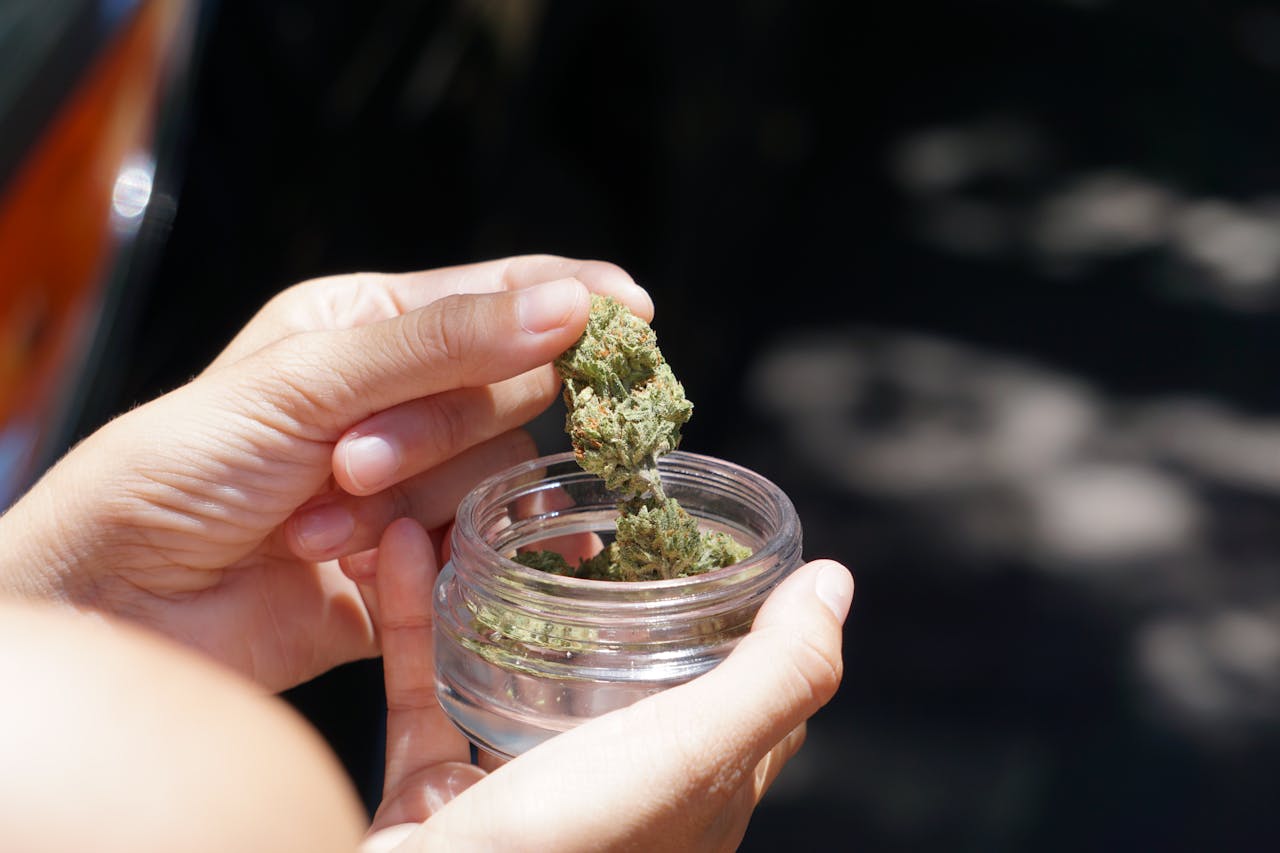
Michigan dispensaries have come a long way since the state’s early medical cannabis days. What once resembled a niche industry serving a relatively small customer base has transformed into a sophisticated retail sector competing for attention in one of the most active cannabis markets in America.
Today’s dispensaries are no longer simply places where consumers purchase cannabis products. They have become educational hubs, lifestyle destinations, technology-driven retailers, and community-focused businesses. As competition intensifies and consumer expectations continue rising, dispensaries across Michigan are reinventing themselves to remain relevant and profitable.
The evolution happening throughout the state reflects broader changes in cannabis culture, consumer behavior, and retail strategy. Understanding how dispensaries are adapting offers valuable insight into the future of Michigan’s cannabis industry.
From Transactional Retail to Customer Experience Centers
One of the biggest shifts occurring in Michigan dispensaries is the move away from purely transactional sales.
In the early stages of legalization, many customers simply wanted access to legal cannabis products. Availability itself was often enough to attract business.
Today, consumers have choices.
Many Michigan communities now feature multiple dispensaries competing for the same customer base. As a result, operators must focus on creating memorable shopping experiences rather than simply selling products.
Modern dispensaries increasingly emphasize:
- Welcoming environments
- Professional design
- Educational interactions
- Personalized recommendations
- Customer loyalty
Consumers are rewarding businesses that provide expertise, comfort, and convenience.
The Budtender Role Has Become More Important Than Ever
The role of the budtender has evolved significantly.
Years ago, cannabis retail staff primarily focused on product transactions and basic recommendations. Today’s consumers often expect much more detailed guidance.
Customers regularly ask questions regarding:
Terpenes and Cannabinoids
Many shoppers want to understand how various compounds may influence their experience.
Product Comparisons
Consumers frequently compare flower, concentrates, vapes, tinctures, beverages, and edibles before deciding which option best suits their needs.
Dosing Guidance
First-time and occasional consumers often seek help navigating potency and serving recommendations.
As a result, dispensaries are investing more heavily in staff training programs. Knowledgeable budtenders are becoming one of the most valuable assets in successful retail operations.
Store Design Has Become a Competitive Advantage
The appearance and layout of dispensaries have changed dramatically.
Early cannabis retail environments often emphasized security and functionality. While compliance remains critical, modern dispensaries increasingly resemble upscale retail stores.
Many Michigan operators are investing in:
Open Floor Plans
Open layouts encourage exploration and improve customer flow.
Product Discovery Areas
Interactive displays allow customers to learn about products before making purchasing decisions.
Premium Retail Aesthetics
Wood finishes, modern lighting, digital displays, and carefully curated branding help create elevated shopping experiences.
The goal is to normalize cannabis purchasing while making customers feel comfortable and informed.
Technology Is Transforming the Shopping Experience
Technology has become central to dispensary operations.
Michigan consumers increasingly expect convenience and digital integration throughout the purchasing process.
Online Ordering and Preorders
Many customers browse menus, compare products, and place orders before arriving at the dispensary.
This reduces wait times and improves efficiency.
Digital Menus
Real-time inventory updates help customers make informed decisions while reducing operational friction.
Customer Relationship Management Systems
Advanced software enables dispensaries to personalize marketing campaigns and loyalty rewards.
These tools allow businesses to build stronger customer relationships while improving operational performance.
Loyalty Programs Are Becoming More Sophisticated
Retention is now just as important as acquisition.
Michigan dispensaries increasingly rely on loyalty programs to encourage repeat business and strengthen customer engagement.
Modern programs often provide:
- Personalized discounts
- Reward points
- Exclusive product access
- Early release opportunities
- VIP experiences
These programs help create deeper connections between brands and consumers while providing valuable customer data.
Product Selection Has Expanded Dramatically
Dispensary shelves today look vastly different from those of just a few years ago.
Flower remains important, but consumers now expect broad product diversity.
Cannabis Beverages
The beverage category continues attracting attention among consumers seeking alternatives to traditional consumption methods.
Solventless Extracts
Premium rosin products have become major attractions for experienced cannabis enthusiasts.
Wellness-Oriented Products
Tinctures, topicals, and low-dose formulations appeal to consumers seeking controlled and functional experiences.
Dispensaries are carefully curating product assortments to reflect evolving consumer preferences.
Education Is Becoming a Core Business Strategy
Michigan dispensaries increasingly recognize that education drives customer confidence.
Consumers entering today’s cannabis market often encounter unfamiliar terminology, product categories, and consumption methods.
Successful retailers are addressing this challenge through:
In-Store Education
Staff members guide customers through product options and answer detailed questions.
Educational Events
Some dispensaries host workshops, product demonstrations, and informational sessions.
Digital Content
Blogs, videos, newsletters, and social media content help consumers continue learning outside the store.
Education not only supports customer satisfaction but also helps foster responsible cannabis consumption.
Community Engagement Is Strengthening Brand Identity
As cannabis becomes more mainstream, many Michigan dispensaries are investing in local relationships.
Community involvement helps businesses establish credibility while differentiating themselves from competitors.
Examples include:
- Supporting local charities
- Sponsoring community events
- Participating in neighborhood initiatives
- Partnering with local businesses
- Promoting social equity efforts
Consumers increasingly appreciate businesses that demonstrate genuine commitment to their communities.
Data Is Driving Better Decision-Making
Dispensary operators now have access to more information than ever before.
Sales analytics, inventory tracking, customer behavior metrics, and purchasing trends help retailers make informed business decisions.
Data can reveal:
- Top-performing products
- Peak shopping times
- Seasonal demand patterns
- Customer preferences
- Marketing effectiveness
This information allows businesses to adapt quickly in a competitive environment.
Preparing for the Future of Cannabis Retail
Michigan dispensaries are continuing to evolve as the industry matures.
Future developments may include:
Greater Personalization
Retail experiences will likely become increasingly tailored to individual customer preferences.
Enhanced Digital Integration
Mobile applications, personalized recommendations, and seamless online-to-store experiences may become standard expectations.
Experiential Retail
Dispensaries may continue developing immersive shopping environments designed to educate and engage consumers.
Stronger Brand Differentiation
As competition intensifies, unique brand identities and customer experiences will become even more important.
The dispensaries that embrace innovation while maintaining exceptional customer service will likely emerge as long-term leaders.
Conclusion
Michigan dispensaries are undergoing a remarkable transformation. What began as a rapidly expanding retail category has evolved into a sophisticated and highly competitive industry focused on experience, education, technology, and customer relationships.
Today’s most successful dispensaries are doing far more than selling cannabis products. They are building trusted brands, creating welcoming environments, educating consumers, and leveraging technology to deliver superior service. As Michigan’s cannabis market continues maturing, dispensaries that prioritize innovation and customer engagement will remain at the forefront of the industry’s next chapter.